In Oro Valley, Arizona, understanding how your homeowners' policy covers roof damage is crucial, especially after a storm or as your roof ages. Homeowners often face a complex landscape when filing a damage claim, with many struggling to navigate the process, leading to what's too often a denied roof claim. This guide aims to demystify roof damage claims, empowering homeowners to protect their investments and avoid such frustrations. We'll examine the specifics of coverage, the claim handling process, and strategies to ensure a smoother journey when dealing with insurance companies. By the end, you'll be equipped to make informed decisions and know when to appeal a denied roof claim.
- Understanding Homeowner's Insurance Coverage in Arizona
- Common Causes of Roof Damage: What's Covered
- Navigating the Claims Process: Denied Roof Claims
- Protecting Your Investment: Preventing and Documenting Damage
Understanding Homeowner's Insurance Coverage in Arizona

Understanding how your homeowner's insurance policy covers roof damage in Oro Valley, Arizona, is crucial for every property owner. This knowledge becomes especially vital when facing repairs or, worse, a denied roof claim. Let's demystify this process, focusing on how your policy interacts with one of the most significant investments you've made-your home.
In Arizona, homeowner's insurance policies typically include coverage for roof damage caused by storms, hail, wind, or other natural phenomena. However, it's essential to understand the policy's terms and conditions, especially regarding deductibles, coverage limits, and exclusions. Many policies will cover the actual cash value of your roof, taking into account depreciation. This means that if your roof is partially damaged, the claim will be based on the cost of repairs, minus the value lost due to wear and tear. But what happens when your insurance company denies a roof claim?
When filing a roof damage claim, an experienced Oro Valley roof specialist recommends being thorough and organized. This includes providing clear, detailed documentation and ensuring the insurance adjuster thoroughly inspects the damage. If your claim is denied, don't give up. You have options. You can request a review of the decision, provide additional evidence, or even file an appeal. This process involves working closely with your insurance company and, if necessary, a professional adjuster who can provide line item estimates and help navigate the claim. If your claim is denied due to cosmetic damage that isn't covered, you may be able to appeal by showing how the damage affects the structural integrity of your home.
Common Causes of Roof Damage: What's Covered
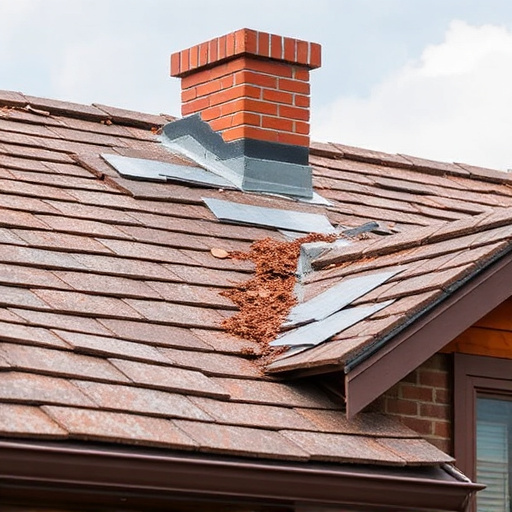
Roof damage is a common concern for homeowners in Arizona, with various elements contributing to its occurrence. Understanding what's covered under your insurance policy is crucial, especially when navigating the process of filing a roof damage claim. This is particularly important given the state's diverse climate and the potential for both weather-related and age-related issues.
Common Causes of Roof Damage
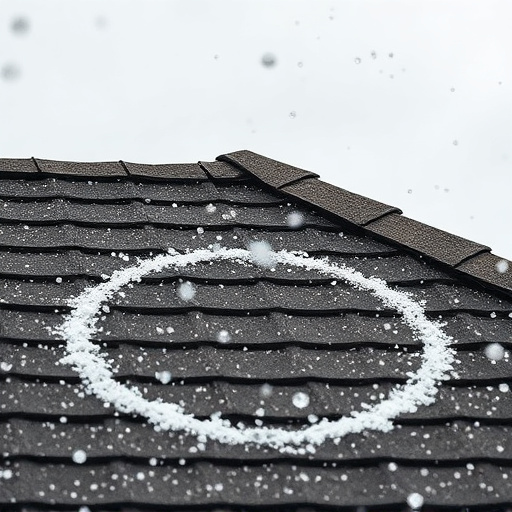
The most prevalent causes include wind, hail, and aging materials. Wind damage, for instance, can be significant in Arizona's open spaces, where strong gusts can rip off shingles or damage the roof structure. Hailstorms, another common occurrence, particularly in the spring, can leave behind a field of dents and tears on a roof. The sun's relentless rays accelerate the deterioration of shingles, underlayments, and even metal roofing. Trees and branches can also contribute to damage during storms, with falling debris posing a direct threat to rooftops.
For coverage, insurance policies typically fall into two categories: actual cash value and replacement cost. Actual cash value compensates for the current market value of the asset, minus depreciation. This is relevant when filing a roof damage claim, as it can affect the settlement amount. Replacement cost coverage, on the other hand, offers a more comprehensive settlement by paying for the exact cost of replacing the damaged or lost roofing materials, without considering depreciation.
Homeowners in Oro Valley, like anywhere in Arizona, should be aware of the limitations and exclusions in their policies. Some policies might not cover cosmetic damage, for instance, only providing compensation for damage that affects the roof's structural integrity. Older roofs, especially those with missing or damaged shingles, may be more prone to denied roof claims due to lack of proper maintenance. A local roofing company serving Oro Valley can offer guidance on policy comprehension and the best practices for roof maintenance to minimize the risk of such issues.
To mitigate the impact of roof damage, homeowners should take proactive steps. Regular inspections can help identify issues early, allowing for timely repairs. Keeping records of these inspections and any maintenance done can be invaluable when filing an insurance claim. In the event of a denied claim, understanding your policy and the reasons behind the denial, often related to policy exclusions or lack of proper documentation, is crucial. The Arizona Department of Insurance can offer assistance in these situations, providing resources and guidance for resolving denied roof claims.
Navigating the Claims Process: Denied Roof Claims
For navigating the claims process for roof damage in Arizona, understanding why some claims are denied is crucial. According to the National Association of Adjusters (NAA), a significant percentage of roof damage claims are denied due to policy exclusions, underinsurance, or inadequate documentation. In this context, let's examine the specifics of denied roof claims, focusing on what causes them and how to mitigate their impact.
A roofing contractor serving Oro Valley and Marana, DC Roofing of Arizona, often encounters clients who are surprised when their roof damage claims are rejected. The primary reason for denials is often the policy's percentage deductible. If the deductible is high relative to the repair cost, the claim may not meet the threshold required for approval. If your policy has a 2,000 dollar deductible and the estimated repair cost is 1,500 dollars, the claim could be denied as it falls below the deductible. In such cases, reviewing your policy's terms and conditions is essential. Some policies differentiate between actual cash value and replacement cost when determining the claim payout, which can further complicate matters.
Another common reason for denied roof claims is cosmetic damage. Insurance companies typically do not cover repairs for damage that does not affect the structural integrity of the roof. Missing a few shingles due to wind damage may not be covered if the overall structure remains sound. However, if the missing shingles expose the underlayment, leading to further damage, the claim is more likely to be approved. Understanding these exclusions is vital to avoid disappointment. The age of your roof plays a role; older roofs may have reached the end of their useful life, and repairs might not be covered as they are considered normal wear and tear rather than storm damage.
To mitigate the effects of a denied roof claim, homeowners should consider a few strategies. First, maintain thorough documentation, including photographs, of the damage. This evidence can be invaluable when submitting a supplemental claim, which allows for additional coverage if further damage is discovered. Second, engage directly with your insurer and ask for clarification on the denial. The National Weather Service (NWS) can provide valuable information on weather-related damage, which can help strengthen your claim. Lastly, consult with a local insurance agent or a roofing contractor to understand your policy's specifics and explore options for code upgrade coverage, which can provide additional benefits in the event of a claim.
Protecting Your Investment: Preventing and Documenting Damage

Preventing and Documenting Damage is Key to a Successful Roof Claim
Homeowners in Oro Valley, Arizona, invest heavily in their properties, making their roofs a significant part of that investment. Protecting your roof isn't just about aesthetics; it's about safeguarding your financial future. A robust home insurance policy, tailored to Arizona's unique conditions, offers peace of mind against unexpected weather events. However, understanding how your policy covers roof damage is crucial, especially when dealing with potential denied roof claims.
A local roofing company serving Oro Valley, like DC Roofing of Arizona, emphasizes proactive measures to prevent damage. Regular maintenance, including inspecting for missing or damaged shingles, sealing leaks, and ensuring proper drainage, can significantly reduce the impact of severe storms. These measures not only extend your roof's lifespan but also provide valuable documentation should a claim be necessary. In the event of a storm, immediate action is vital. Documenting the damage, taking clear photos, and noting the date and time are essential steps. The National Weather Service (NWS) offers guidance on what to document, from the extent of the damage to the overall condition of your property. This detailed record, combined with your insurance policy, becomes your strongest ally when filing a roof damage claim.
When dealing with an insurance company, especially in the case of denied roof claims, understanding the assessment process is essential. Adjusters use tools like Xactimate to estimate repairs accurately. This software compares your current situation to pre-storm conditions, helping insurers determine the validity of your claim. If your claim involves a code upgrade, ensuring you have proper documentation showing the need for and cost of these upgrades can strengthen your case. A well-prepared proof of loss, detailing repairs, materials, and labor, is crucial. The National Association of Adjusters (NAA) recommends keeping thorough records, which can help speed up the claim process and avoid potential denials. Remember, timely action, detailed documentation, and a clear understanding of your policy are the cornerstones of a successful roof damage claim.
Frequently Asked Questions About an Explainer on How Homeowners Policies Cover Roof Damage in Arizona
What does a typical homeowners policy cover in terms of roof damage?
A standard homeowners policy typically covers roof damage from events like wind, hail, and snow, as well as certain types of water damage, such as leaks from broken or missing shingles. However, the specifics can vary greatly depending on the insurer and the terms of your policy. It's crucial to review your policy documents carefully to understand what's covered and what's not. Damage from extreme weather events like severe storms or floods might require separate coverage or endorsements.
How do I know if my policy will pay for roof repairs after a storm?
After a storm, examine your roof for damage. Take photos of any damage and contact your insurance company to report the incident. They will send an adjuster to assess the damage. Be prepared to provide them with information about your policy and the extent of the damage. The adjuster will determine if the damage falls within your policy's coverage and how much it will cost to repair.
What if my policy doesn't cover the full cost of roof repairs?
If your policy doesn't cover the full cost of repairs, you may need to contribute financially or explore alternative funding options. Some options include taking out a home equity loan, using savings, or seeking out grants or low-interest loans specifically for roof repairs. A licensed Oro Valley area roofing contractor like DC Roofing of Arizona can help you estimate repair costs and guide you through the process.
Are there steps I can take to prevent roof damage and reduce claims?
Absolutely. Regular maintenance, like cleaning gutters and inspecting for loose or damaged shingles, can prevent small issues from becoming major problems. Replacing missing or damaged shingles promptly also helps protect your home. Consider investing in a higher-quality roof material and installation to increase durability and longevity.
What happens if I file a claim for roof damage, but my insurer denies it?
If your insurer denies your claim, carefully review the reason for denial. They typically provide a written explanation. You have the right to appeal the decision. Seek legal advice from an insurance expert or consult with a licensed insurance adjuster to understand your options and best course of action.
How long does it typically take to get a roof repair claim processed?
Most insurance companies aim to process roof repair claims within a few days to a week. However, the exact timeline can vary based on the complexity of the claim, the insurance company's workload, and the availability of contractors for repairs.
Understanding your homeowner's insurance coverage for roof damage in Arizona is crucial for every property owner. By being aware of common causes of roof damage, such as severe storms and wear and tear, you can make informed decisions to protect your investment. When facing potential denied roof claims, proactive measures like proper documentation and timely mitigation are key. The claims process can be complex, but with the right guidance, like navigating through the roles of adjusters and insurers, you can successfully appeal or supplement a claim. Remember, staying informed and working with reputable local professionals, from insurance agents to building departments, ensures you're well-equipped to handle any roof damage, minimizing stress and financial loss.
Roof Damage Claims in Oro Valley: Navigating Denials and Protecting Your Investment
Understanding your homeowner's insurance policy is crucial for Oro Valley, Arizona, homeowners dealing with roof damage. Policies typically cover storms, hail, wind, and other natural phenomena, but terms like deductibles, coverage limits, and exclusions are key. A local roofing company emphasizes proactive measures: regular maintenance, immediate post-storm documentation, and detailed records for stronger claims. Denied roof claims often stem from policy exclusions, underinsurance, or inadequate documentation. Engage directly with insurers, maintain thorough records, and consult with professionals to mitigate denials. Proactive care, thorough documentation, and policy understanding are cornerstones for successful roof damage claims.