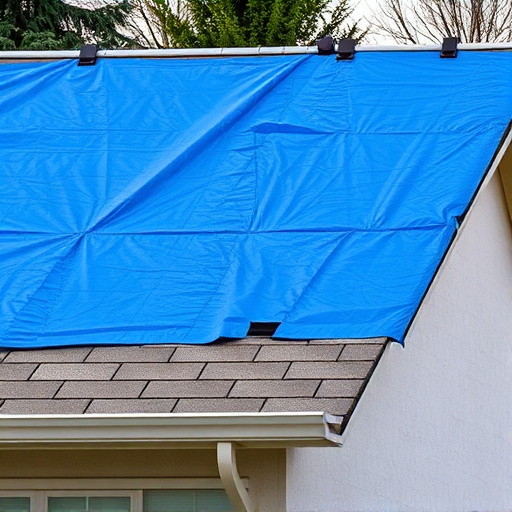
When filing a roof damage claim in Oro Valley, understanding deductibles, depreciation, and claim payouts is crucial for a smooth and fair resolution. Homeowners often face confusion about these concepts, especially when dealing with complex policies and the aftermath of storm damage. This article provides a plain language guide to navigating these challenges, helping you prepare accurate documentation, work effectively with adjusters, and understand your rights and coverage, including cosmetic damage exclusions. By the end, you'll be equipped to manage your claim with confidence, ensuring you receive the full value of your policy and timely repairs for your Oro Valley property.
- Understanding Deductibles: What You Pay, What's Covered
- Depreciation's Impact: Lowering Your Claim Costs
- Navigating Claim Payouts: From Start to Finish
- Cosmetic Damage: Exclusions and Exceptions Explained
Understanding Deductibles: What You Pay, What's Covered

Understanding Deductibles: What You Pay, What's Covered
When filing a roof damage claim in Oro Valley, one of the most important concepts to grasp is the deductible. The deductible is the amount you, as the policyholder, agree to pay out-of-pocket for repairs before your insurance company begins to cover the costs. It's crucial to understand your deductible because it directly impacts the financial burden of a claim. If your deductible is $1,000 and your roof repair costs $5,000, you'll need to pay the first $1,000 before your insurance kicks in.
Your deductible can vary based on several factors, including your policy type, coverage limits, and even your location. In Oro Valley and Marana, many homeowners find that their deductibles are a percentage of their overall policy limit, often ranging from 1% to 5%. This means that a higher policy limit can result in a higher deductible, and vice versa. It's also important to note that not all damage is covered under your policy. Cosmetic damage exclusions, for example, typically aren't covered by standard home insurance policies. This includes damage to your roof that doesn't compromise its structural integrity, such as slightly missing or damaged shingles.
To accurately estimate your deductible, many policyholders turn to tools like Xactimate, a software program designed to calculate repair costs for insurance adjusters. By inputting detailed information about the damage, Xactimate can provide a comprehensive estimate that helps both policyholders and adjusters understand the scope of work and associated costs. This can be particularly useful when dealing with complex or extensive damage. If your claim involves a total roof replacement due to storm damage, Xactimate can help break down the costs into replaceable and non-replaceable items, ensuring a fair assessment of your deductible and final payout.
Remember, understanding your deductible is key to navigating the roof damage claim process effectively. It allows you to prepare financially and ensure that your claim is settled fairly, especially when dealing with potential cosmetic damage exclusions. When working with a roofing contractor serving Oro Valley and Marana, be sure to discuss your policy details to get a clear picture of what's covered and what you can expect during the claim process.
Depreciation's Impact: Lowering Your Claim Costs

When dealing with a roof damage claim in Oro Valley, understanding depreciation and how it affects your payout is crucial. Depreciation is a reduction in the value of an asset over time, and for your roof, it matters in the claim process, especially when dealing with cosmetic damage exclusions. These exclusions are designed to protect insurers from paying for repairs that aren't structurally sound, but they can also lead to lower claim payouts.
Let's take a practical example during the monsoon season. Heavy rains and strong winds can cause damage, but insurers often consider pre-existing conditions, such as aging or worn-out materials, when assessing claims. If your roof is old and made of tiles prone to damage, a claim for a minor storm-related issue might be subject to depreciation adjustments. This means the insurance adjuster will assess the roof's remaining useful life and deduct the expected cost of repairs from the replacement value. The result? A lower claim payout.
A licensed Oro Valley area roofing contractor can provide invaluable guidance during this process. They can help you understand how depreciation might impact your specific claim, especially for older or tile roofs. If your roof is near the end of its life expectancy, an adjuster might allocate a smaller portion of the replacement cost, reflecting the reduced value of the remaining material. This is where engaging with your insurance adjuster becomes vital; you want to ensure they understand the unique characteristics of your roof and the local climate, such as monsoon patterns, to get an accurate assessment.
Remember, the goal is to get a fair claim payout. Understanding depreciation and how it's applied to your claim number can help you prepare and negotiate. Keep detailed records of repairs, maintenance, and replacement costs, as these can support your case. By being informed and proactive, you can mitigate the impact of depreciation and ensure your roof claim is handled effectively, potentially avoiding denied claims or reduced payouts.
Navigating Claim Payouts: From Start to Finish

Navigating the payout process is a crucial step in any roof damage claim. After the initial assessment and documentation (see our guide on roof claim timeline and documentation), the claim moves into the evaluation and settlement phase. This is where understanding key concepts like deductibles, depreciation, and actual cash value (ACV) becomes critical.
Let's break down these terms:
Percentage Deductible: This is the pre-determined amount, usually a percentage of your policy's total value, that you're responsible for paying out of pocket. In Oro Valley, where code upgrade coverage might be relevant, understanding how this interacts with local building standards is vital. A licensed Oro Valley area roofing contractor can offer guidance on these interactions, ensuring you're aware of any additional costs or benefits.
Actual Cash Value (ACV) vs. Replacement Cost: ACV is the current, actual value of your roof, while replacement cost estimates the expenses to replace it like-for-like. The insurer will usually settle claims based on ACV, unless your policy includes replacement cost coverage. Understanding the difference is key to managing expectations.
Recoverable Depreciation: Over time, your roof loses value. After a storm or other damage, this depreciation is considered when calculating your claim payout. Insurers will consider the age of your roof and its remaining useful life. A 15-year-old roof will depreciate faster than a 5-year-old one.
Cosmetic Damage Exclusions: Some claims are for purely cosmetic damage, like a missing shingle or minor dent. These are typically excluded from policy coverage. It's important to understand the distinction between cosmetic repairs and structural damage, as only structural issues are covered.
When negotiating with your insurer, consider these points:
- Code Upgrade Coverage: If your repairs also involve bringing your roof up to current building codes, ensure your policy includes this. Some policies have specific provisions for such upgrades.
- Claim Deadlines: In Arizona, there are strict deadlines for filing roof damage claims. Missing these could mean a delay or denial.
- Supplemental Claims: If initial repairs don't cover all costs, you can file a supplemental claim. This process involves resubmitting documentation and adjusting your payout accordingly.
- Renter's Claims: If you're a renter, the process might differ slightly. Landlords often assign benefits to insurers, streamlining the claim process.
Finally, don't hesitate to seek support from local insurance agents or adjusters. The National Association of Adjusters (NAA) offers resources and guidance for navigating claims. Remember, understanding these concepts can help ensure a smoother, more successful claim journey.
Cosmetic Damage: Exclusions and Exceptions Explained

When navigating a roof damage claim, understanding cosmetic damage exclusions is crucial. These clauses in your home insurance policy specify what types of damage are not covered, especially in terms of repairs focused on aesthetics rather than structural integrity. While a storm might dent your roof tiles, insurance typically doesn't cover replacing them unless there's also structural damage. This distinction is vital, as it can significantly impact your out-of-pocket expenses and the overall claim process.
In Oro Valley and Marana, working with a reputable roofing contractor can help clarify these points. They can assess the extent of the loss, often referred to as the scope of the damage, and guide you on what's covered and what's not. If your roof is older and requires significant structural repairs alongside cosmetic improvements, your insurance might only cover the structural repairs under an HO3 policy, leaving you responsible for the cosmetic enhancements. This is where a local roofing contractor serving Oro Valley and Marana can provide valuable insights, ensuring you understand your policy's nuances.
Code upgrade coverage is another critical aspect to consider. If local building codes have changed since your roof's installation, your insurance might not cover the cost of upgrading to meet these new standards. However, if your claim includes these upgrades as essential repairs rather than aesthetic improvements, they may be covered. If a roof leak has led to water damage and your local code now requires a sturdier underlayment to prevent future leaks, this could be considered part of the scope of loss and potentially covered under your policy.
Remember, understanding these exclusions and exceptions is key to a successful claim. Always review your policy, consult with your insurance agent, and seek expert advice from a roofing professional to ensure you receive the compensation you're entitled to for any damage, whether cosmetic or structural.
Frequently Asked Questions About a Plain Language Look at Deductibles, Depreciation and Claim Payouts
What is a deductible? A deductible is the amount you, as the policyholder, agree to pay out of pocket for covered damages before your insurance provider begins to cover the rest. It's a key component in property insurance, like home or auto policies. If you have a $500 deductible and your home suffers $3,000 in water damage, you'd pay the first $500, and your insurance would cover the remaining $2,500. Understanding deductibles is crucial for knowing how much you're personally responsible for during a claim.
How does depreciation affect my claims? Depreciation refers to the decrease in value of an asset over time. In insurance terms, it's relevant when filing a claim for personal property. Insurance companies will consider the asset's age and depreciation when calculating the payout. If you have an old television that's partially depreciated, the insurance company might pay less for replacing it than if you had a newer model, as the loss in value is already accounted for.
What is a claim payout, and how is it calculated? A claim payout is the amount an insurance company gives you after you've filed a claim for covered damages. It's calculated by adding up all the costs associated with repairing or replacing the damaged property. This includes the cost of materials and labor. The insurance company will assess the claim, verify the costs, and then disburse the payout according to the terms of your policy. It's important to keep detailed records of repair costs to ensure a fair settlement.
Can I change my deductible or policy limits? Yes, you can often adjust your deductible and policy limits, but the specific options depend on your insurance provider and policy type. Changing your deductible can significantly impact your premium, as a higher deductible typically results in lower monthly payments. Policy limits define the maximum coverage for specific types of damages. Increasing these limits ensures you're better protected but may increase your premiums accordingly.
What happens if I file a claim with a low deductible? Filing a claim with a low deductible means you've incurred significant damage, but your out-of-pocket cost was minimal. While this might be a relief, it could also lead to higher future premiums. Insurance companies may view this as an increased risk, so expect to see adjustments in your policy costs. It's a good idea to assess the value of your deductible and consider whether it aligns with the potential risks and costs of filing claims.
Navigating roof damage claims in Oro Valley involves understanding key financial concepts like deductibles, depreciation, and claim payouts. By grasping these elements, homeowners can make informed decisions throughout the process. Understanding deductibles helps with expectations and budgeting, while depreciation reduces the cost of your claim. When filing a claim, remember that some cosmetic damage might be excluded, requiring careful assessment.
The article has empowered you with practical knowledge, enabling you to effectively communicate with adjusters, roofer contractors, and your insurance agent. Moving forward, prioritize thorough documentation, timely actions, and awareness of policy limits. This approach ensures a smoother claims process and maximizes your recovery, especially for older or tile roofs. Remember, timely mitigation and communication are crucial, and understanding these financial aspects can significantly impact your claim's outcome.
When dealing with a roof damage claim in Oro Valley, understand your deductible (out-of-pocket cost before insurance coverage kicks in) and depreciation (reduction in asset value over time), especially for older roofs. Cosmetic damage exclusions (non-structural repairs not covered) are common; consult a local roofing contractor for guidance. Code upgrade coverage might be available for bringing your roof up to current building standards. Always review your policy and seek expert advice to ensure fair compensation.