
In the aftermath of a storm or aging roof, homeowners in Oro Valley often face a complex path to recovery. Mitigating damage and navigating insurance claims can be overwhelming, especially when dealing with an insurance adjuster. This guide is designed to empower homeowners with the knowledge and strategies to effectively work with adjusters during a roof inspection, ensuring a smoother claim process. We'll examine the key aspects, from understanding your policy and rights to gathering essential documentation, to help you make informed decisions and secure the best possible outcome for your roof damage claim.
- Preparation: Know Your Role, Theirs, Before the Inspection
- Inspection Process: Collaborate, Document, Point Out Needs
- Mitigation After Damage: Prioritize Safety, Temporary Repairs
- Communication: Document, Dispute, Ensure Complete Mitigation
Preparation: Know Your Role, Theirs, Before the Inspection

Before the insurance adjuster arrives for your roof inspection, understanding your role and responsibilities is crucial. As a homeowner, you're a key participant in the claims process. Your task is to provide clear, accurate information and evidence about the damage to facilitate a swift and fair settlement. This preparation phase is vital for a successful outcome, ensuring your claim is supplemented with the necessary documentation to support your loss.
Knowing the adjuster's role is equally important. They are professionals tasked with assessing the damage, determining the scope of the loss, and calculating the value of the repair or replacement. Their expertise lies in evaluating the facts and figures presented to them. During the inspection, the adjuster will take notes, take measurements, and document the damage. They may also discuss the findings with you and your roofer, a licensed Arizona ROC contractor, to gain a comprehensive understanding of the situation.
During this inspection, be prepared to discuss the history of your roof. The adjuster will want to know when it was last inspected, if any repairs have been made, and the age of the roofing materials. This information is crucial for determining the extent of damage and the appropriate course of action. An older roof may require different repair methods or materials compared to a newer one. Be ready to provide proof of loss, such as before-and-after photos, and any documents that show the condition of your roof before the damage occurred. This mitigation after damage is essential to substantiate your claim and ensure a prompt settlement.
Inspection Process: Collaborate, Document, Point Out Needs

When an insurance adjuster arrives for a roof inspection after a storm or other damage, it's crucial to understand your role in the process. Mitigation after damage begins with a collaborative effort between you, the homeowner, and the adjuster. Documenting the damage thoroughly is essential, and pointing out areas of need can help expedite your claim.
During the inspection, actively participate by pointing out all visible damage to the roof structure, shingles, or gutters. Take notes and, if possible, take pictures of the affected areas. Be prepared to discuss the age and condition of your roof, as these factors can impact coverage. Older roofs or those with unique tile styles might require special consideration. The adjuster will assess the damage and determine the cause, distinguishing between wear and tear and storm-related incidents.
Remember, your goal is to ensure a complete and accurate claim. If you're unsure about any aspect, ask questions. Clarify the deductible amount and what is covered under your policy. Some policies may have specific exclusions for cosmetic damage, so understanding the distinction between what's recoverable and what isn't is vital. A roofing contractor serving Oro Valley and Marana can provide guidance on these matters, but ultimately, clear communication with the adjuster is key to a successful claim process.
Once the inspection is complete, the adjuster will provide a report and an initial estimate. Review this document carefully and compare it with the claim number provided by your insurance agent. Ensure all damage is documented and that the estimate aligns with your policy coverage. If you disagree with any aspect, don't hesitate to request a supplemental claim or appeal the decision. Working collaboratively with the adjuster can lead to a faster resolution, ensuring your roof is repaired efficiently, and any financial burden is minimized, especially when considering the impact on your mortgage company.
Mitigation After Damage: Prioritize Safety, Temporary Repairs
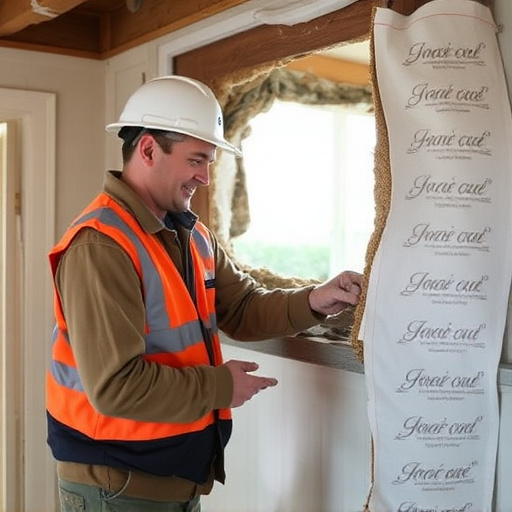
When severe weather hits, immediate mitigation after damage is crucial. As a homeowner, your first step is to ensure everyone's safety. Then, document the storm's impact as proof of loss for your insurance claim. An experienced Oro Valley roof specialist can assist in this initial assessment, guiding you through the process of temporary repairs to prevent further deterioration.
After the initial safety checks, your insurance adjuster will arrive. They will thoroughly inspect the damage, taking photos and noting the extent of the hail or storm-related issues. During this visit, prioritize open communication. Ask questions like: "What steps should we take to stabilize the roof?" or "How will these repairs impact our claim?" The adjuster should provide a clear plan, including estimates for both temporary fixes and the full restoration. Keep detailed records of all conversations and agreements, as these will be essential if the claim progresses.
Temporary repairs should address immediate concerns. Securing loose tiles or boards prevents water intrusion and further damage. These quick fixes buy time for the adjuster to process your claim and for a licensed roofer to complete the necessary repairs. Remember, the goal during mitigation after damage is to stabilize the property and protect its value. Working collaboratively with the adjuster ensures a smoother claims process and increases the likelihood of a successful outcome.
Once the adjuster has assessed the damage, they will provide an estimate for the full repair. This includes replacing missing or damaged shingles, underlayment, and even the roof structure if severe. An experienced roofer can help navigate these estimates, ensuring they align with current market rates and your policy's coverage. After the claim is approved, they will oversee the work, ensuring the repairs meet your expectations and adhere to Oro Valley's building codes.
Communication: Document, Dispute, Ensure Complete Mitigation

When navigating the process of mitigation after damage from a storm, especially during Arizona's monsoon season, effective communication with your insurance adjuster is crucial. Documenting every step, from the initial claim to final settlement, ensures that all details are captured accurately. This is particularly important when dealing with complex issues like storm damage, where distinguishing between wear and tear and true storm damage can be challenging. An experienced Oro Valley roof specialist can help you navigate these murky waters by providing detailed reports and photographs.
During the adjuster's roof inspection, ensure that your contractor is present to offer insights into the age and condition of your roof, as well as any prior repairs. This is where the details matter-an adjuster's decision can hinge on the age of your roof and whether a particular damage is considered cosmetic or a result of storm activity. An older roof might be more susceptible to damage, but a roofer with knowledge of your specific situation can help ensure your claim accurately reflects these factors. The Arizona Department of Insurance encourages transparency and communication, reminding policyholders to keep detailed records and to address any concerns or discrepancies promptly.
After the initial inspection and claim assessment, the adjuster will provide a preliminary estimate. It's important to review this estimate thoroughly, checking for completeness and accuracy. If there are items missing or discrepancies, don't hesitate to point them out. An adjuster's decision is based on the information provided, so a comprehensive and detailed claim is key. If the claim involves a tile roof, ensure the adjuster accounts for every tile, as replacements can vary widely in cost. If the initial claim is denied, don't panic. The process allows for appeals, and a thorough, well-documented case can lead to a successful appeal. Supplementing your claim with additional photographs or reports from your roofer can significantly strengthen your case.
Frequently Asked Questions About advice on working with an insurance adjuster during a roof inspection
What is the purpose of an insurance adjuster during a roof inspection?
An insurance adjuster acts as a neutral third party during a roof inspection, evaluating damage and assessing the scope of the claim. Their goal is to determine the cause and extent of the damage, verify repairs, and ensure fair compensation for the insured. They work closely with the policyholder, the insurance company, and often, a licensed roofing contractor like DC Roofing of Arizona, to reach an agreement on the claim.
How should I prepare for an insurance adjuster's visit?
Ensure your roof is safe to inspect. Clear any debris or obstacles on or near the roof. Make a list of all damage observed, including any missing or damaged shingles, flashing issues, or signs of water intrusion. Take photos of the damage for both your records and to share with the adjuster. Be prepared to discuss the history of the roof repairs and any recent work done on the property.
What information will the insurance adjuster need from me?
The adjuster will require your policy details, including the policy number and insurer. They'll need personal information, such as your name, address, and contact details. Provide them with a description of the incident that led to the damage, when it occurred, and any relevant details about the extent of the damage. Be as specific as possible about the areas affected and the repairs required.
Should I accompany the insurance adjuster during the inspection?
It's highly recommended that you be present during the inspection. This allows you to point out specific areas of concern and ensure the adjuster captures all the damage. However, if safety is a concern, you can remain nearby while the adjuster works from the ground. Always maintain a safe distance and communicate any issues to the adjuster or your chosen representative.
What should I do if I disagree with the adjuster's assessment?
If you disagree with the adjuster's assessment, remain calm and professional. Request a detailed explanation of their findings and provide your own evidence, such as photographs or the opinion of a qualified roofing specialist. You have the right to appeal the decision, and an experienced roofer like a licensed Arizona roofer can assist in this process by providing a second opinion and supporting your claim.
Can I have my own roofing contractor present during the inspection?
Absolutely. Having your chosen roofing contractor, like a specialist from Oro Valley, present during the inspection can be beneficial. They can provide immediate feedback, point out potential issues, and ensure the adjuster considers all necessary repairs. This can help streamline the claim process and ensure you receive the full extent of the compensation for the required roof repairs.
As you navigate the process of a roof damage claim in Oro Valley, effective collaboration with your insurance adjuster is crucial. By understanding your role and responsibilities, as well as those of the adjuster, you can ensure a smoother, more successful outcome. Key insights include:
- Preparation: Familiarize yourself with your policy, understanding coverage limits, deductibles, and what constitutes storm damage versus wear and tear. This knowledge empowers you to actively participate in the inspection process.
- Inspection Process: Document every detail during the adjuster's visit. Take photos, keep records of discussions, and highlight specific areas of concern. This documentation is vital for future reference and dispute resolution if needed.
- Mitigation After Damage: Prioritize safety first and foremost. Temporary repairs may be necessary to prevent further deterioration or hazards. Keep detailed records of these measures, as they contribute to the overall claim value and can be used to support a supplemental claim if additional work arises.
- Communication: Maintain open lines of communication. If you have questions, don't hesitate to ask. Ensure all mitigation efforts are documented and understood by your insurer. This proactive approach helps avoid denied claims and facilitates a faster, more efficient process.
Taking these steps ensures you actively participate in the claim process, maximizing your chances of a fair settlement. Remember, your role is vital, and effective collaboration with the adjuster is a significant factor in achieving a successful roof damage claim outcome in Oro Valley.
Summary:
When dealing with an insurance claim for roof damage, especially during severe weather events, effective collaboration is key. As a homeowner, your role is to provide accurate information and evidence to facilitate a swift settlement. Understand the adjuster's process, which involves assessing damage, determining loss scope, and calculating repairs or replacements. During the inspection, actively document damage, discuss roof history, and provide proof of loss.
The mitigation after damage process begins with safety checks, followed by detailed documentation and communication with the adjuster. Collaborate with a licensed roofer to assess and stabilize the roof, ensuring temporary repairs prevent further deterioration. The adjuster's estimate should include both immediate fixes and full restoration costs.
Maintain open communication throughout, asking questions about repairs, costs, and policy coverage. Keep detailed records of conversations and agreements. If the claim is denied, appeal with comprehensive, well-documented evidence, including photographs and reports. The goal is a complete, accurate claim for a swift resolution and minimized financial burden.