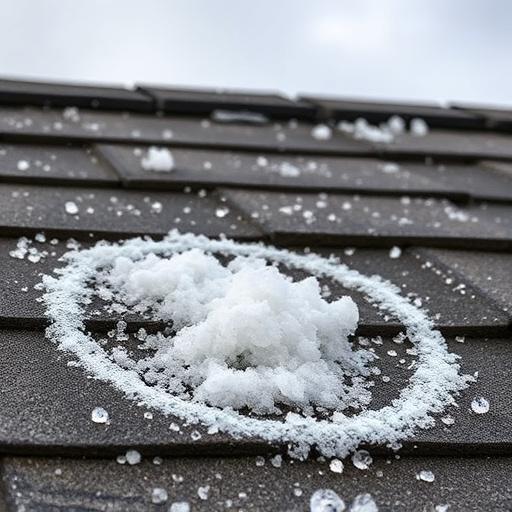
Documenting roof damage is a crucial process for any homeowner facing a repair or replacement, especially in Oro Valley, where weather can vary and homes range in age and coverage. The challenge lies in presenting this damage clearly to your insurance company, ensuring your claim is approved and you receive the necessary funds. This article provides a step-by-step guide to navigating this process, focusing on the importance of detailed documentation and how it can strengthen your claim, especially considering the varying roof ages and coverage types in our area. We'll explore practical strategies, from gathering evidence to understanding your policy's terms, ensuring your roof damage claim holds up.
- Assess Roof Age and Damage Scope
- Document with Clear, Detailed Photos
- Record Damage with Exact Measurements
- Maintain Complete Claim Documentation
Assess Roof Age and Damage Scope

Documenting the age and scope of roof damage is a crucial step in filing a successful claim, especially in Oro Valley, where the local building department and insurance agents can provide guidance tailored to your area. Understanding the condition of your roof and its replacement cost value (RCV) is key to ensuring your claim is accurately assessed.
First, assess the age of your roof. Older roofs, especially those over 20 years old, may be more prone to damage and may have reached the end of their useful life. In Oro Valley, as with many areas, roof age can impact your claim, with older roofs potentially qualifying for code upgrade coverage or reduced depreciation rates. When dealing with an adjuster, be prepared to provide detailed records of your roof's age, maintenance history, and any prior repairs. If your roof was installed 15 years ago and has received regular inspections and minor repairs, this documentation can support your claim.
Next, determine the scope of the damage. Is it a single missing shingle or a significant area of damage? Assess the extent of the storm damage or wear and tear. Remember, cosmetic damage, like missing or broken tiles, is often not covered. For a tile roof, document any missing or loose tiles and take pictures of the damage from multiple angles. This visual evidence is invaluable when working with an adjuster to ensure your claim reflects the full extent of the damage. Consider the impact of age and coverage here; a newer roof with comprehensive coverage may have different outcomes than an older roof with limited coverage.
Finally, when filing your claim, ensure you understand the policy limits and the adjuster's recommendations for repairs. DC Roofing of Arizona, a local Oro Valley roofer, can provide valuable insights into these processes. They can help you navigate the claims procedure and ensure your roof is repaired or replaced to the highest standards.
Document with Clear, Detailed Photos

Documenting roof damage with clear, detailed photographs is crucial when filing a claim in Oro Valley. Insurers and adjusters rely on these visual aids to assess the extent of the damage and determine the appropriate course of action. When capturing these images, remember that the age and coverage of your roof play a significant role in the claim process. Older roofs may require special consideration due to wear and tear, while tile roofs demand meticulous care during the repair or replacement process.
Start by taking overall photos of the roof from various angles, ensuring the damage is visible. Close-up shots of the affected areas, including missing or damaged tiles, cracks, or leaks, are essential. Document the entire process, from the initial inspection to the final repairs, as this timeline can be critical in supporting your claim. Remember to date each photo and keep a log of the repairs performed, along with the corresponding costs.
A local roofing company serving Oro Valley can provide valuable guidance on what to document and how to present it. They can also assist in navigating the claim process, especially when dealing with complex situations such as partial or full roof replacements. When dealing with a claim for a tile roof, it's important to match the original tiles as closely as possible to ensure the aesthetic value of your home is maintained. Keep detailed records of these efforts, as they can be crucial in supporting a claim for cosmetic damage.
Record Damage with Exact Measurements
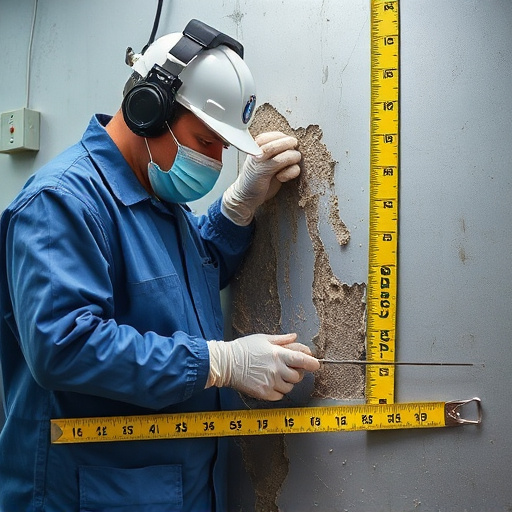
Documenting the extent of roof damage is crucial when filing an insurance claim. This process involves precise measurements and detailed descriptions, ensuring your claim is accurate and compelling. When preparing a claim, especially for older roofs or those with unique tile, it's essential to capture every significant detail. A licensed Oro Valley area roofing contractor recommends using a tool like Xactimate, an industry-standard software, to streamline the measurement process.
Start by assessing the entire roof surface, noting any missing or damaged shingles, and measuring the area affected. Document the size of each damaged section, expressing it in both square feet and as a percentage of the total roof area. The age of the roof and the type of tile or shingles can influence the level of detail required. Older roofs, for instance, may have unique or specialized materials that need to be specified.
Don't overlook cosmetic damage; even minor aesthetic issues can impact the claim. Keep detailed records of any dented gutters, damaged downspouts, or missing or broken vents. If your roof is subject to a Homeowners Association (HOA) rules, be aware that they might have specific guidelines regarding repairs and replacements. Ensure you understand these requirements to avoid delays or denials. Remember, the more precise your documentation, the smoother the claim process, and the higher the chances of a successful settlement, especially when dealing with a mortgage company.
Maintain Complete Claim Documentation

Documenting roof damage thoroughly is crucial for a successful insurance claim. As a homeowner, you'll want to ensure your claim includes complete, accurate information to avoid delays or denials. One critical aspect is maintaining detailed documentation that supports your case, especially when dealing with aging roofs or specific types of damage like hail.
When preparing your claim, consider the roof age and coverage as these factors can impact the process. Older roofs, for instance, might require additional consideration. Documenting the age of your roof and its original coverage limits helps establish the value of your property before any damage occurred. If your roof was installed 20 years ago and you've had regular maintenance, provide this information. It can be a strong argument for a full replacement rather than a repair, especially if the deductible is high. Remember, your deductible is the amount you pay out of pocket for the claim, so understanding this figure is key.
A roofing contractor serving Oro Valley and Marana can assist in gathering evidence. They can provide professional estimates, including line item details for each repair or replacement. This level of specificity is valuable when negotiating with your insurer. Keep records of any communications with your insurance company, adjuster, or roofer. Email exchanges, for instance, can serve as a reliable form of documentation, showing the progress of your claim and any agreements made.
For damage assessment, distinguish between cosmetic and structural issues. Cosmetic damage, such as missing shingles, might be more readily recoverable as depreciation. Structural damage, like compromised framing, requires more extensive documentation and might be subject to stricter codes and upgrades, impacting your policy limits. Always consult with a professional roofer or insurance adjuster to ensure you're capturing all recoverable depreciation.
Frequently Asked Questions About a Guide to Documenting Roof Damage so a Claim Holds Up
What is the most important thing to document when reporting roof damage for an insurance claim? When reporting roof damage, thoroughly document the extent and type of damage, taking clear photos of affected areas. Note down the date, time, and details of the incident. Keep records of all communications with your insurance company, and maintain a log of repairs or temporary fixes made. This comprehensive documentation increases the likelihood of a successful claim.
How should I document damage to different types of roofs? For asphalt shingles, look for missing, cracked, or curled shingles, and take photos of the entire roof from various angles. Metal roofs should have their damage documented by noting dents, holes, or peeling paint. Flat roofs may require measurements of leaks and photos of water stains. Always include details on the age and material of the roofing in your documentation.
What kind of photos should I take when documenting roof damage? Take multiple photos, including wide-angle shots of the entire roof, close-ups of damaged areas, and any evidence of water intrusion or stains. Include images of the roof's underlayment if possible. Ensure photos are well-lit and clear, and consider taking them at different times of day to capture shadows accurately.
When should I contact a professional for roof damage documentation? If the damage is extensive, or you're unsure how to document it properly, contact a licensed Oro Valley area roofing contractor like DC Roofing of Arizona. They can provide expert assistance, ensuring all necessary details are captured accurately, which can significantly aid in the claims process.
Can I use my smartphone to document roof damage? Absolutely. Modern smartphones have high-resolution cameras capable of capturing detailed images required for insurance claims. There are also various apps available that can help you log and organize your damage documentation process.
What if I can't access my roof due to safety concerns? What should I do? If safety prevents you from accessing the roof, document what you can from the ground. Take photos of the damage from various angles and include any visible signs of water damage inside the property. Contact your insurance company to inform them of the situation, and they can guide you on the next steps.
Documenting roof damage effectively is crucial for a successful insurance claim, ensuring you receive the coverage you're entitled to under your policy. Throughout this guide, we've emphasized the importance of roof age and coverage as key factors in determining your claim's outcome. By assessing the damage scope, taking clear and detailed photos, recording precise measurements, and maintaining comprehensive documentation, you strengthen your claim's viability. These steps are essential for navigating the claim process, whether you're a homeowner in Oro Valley dealing with storm damage or a landlord filing a claim for a rental property. Remember, attention to detail during the documentation phase can make a significant difference in the claim's approval and the time it takes to resolve it, so ensure every element is thoroughly recorded and aligned with your policy's terms.
Documenting Roof Damage for Success in Oro Valley Claims
- Assess Roof Age: Older roofs (over 20 years) may qualify for upgrades or reduced depreciation. Provide detailed records of age, maintenance, and repairs.
- Determine Damage Scope: Evaluate cosmetic vs. Structural damage. Use visual evidence (photos) from multiple angles to support claims.
- Focus on Age and Coverage: Consider the impact of roof age and coverage type (comprehensive vs. Limited) on claim outcomes.
- Detailed Documentation: Include measurements, percentage of damage, and unique material specifications. Maintain records of communications and estimates from professionals.
- Consult Experts: Local roofing contractors and adjusters provide guidance, ensuring claims accurately reflect damage and coverage.